


Comprehensive Eye Exams
Comprehensive Eye Examinations
Annual eye exams are important, regardless of your age or physical health. During a complete eye exam, your eye doctor will not only determine your prescription for eyeglasses and/or contact lenses, but will also check your eyes for common eye diseases, assess how your eyes work together as a team, and evaluate your eyes as an indicator of your overall health.
Need an Eye Exam to Update Your Prescription?
A comprehensive eye exam includes many tests and procedures to examine and evaluate the health of your eyes and the quality of your vision. These tests range from simple, like having you read an eye chart, to complex like using digital retinal imaging technology to evaluate retinal health.
Eye care experts recommend you have a complete eye exam every year to assess your risk for potentially damaging eye conditions, as well as to keep on top of any changes in vision you may be experiencing.
Eye Care for Everyone
How Often Do You Need to See the Optometrist, Based on Age?
The AOA recommends an annual eye exam for any patient who wears eyeglasses or contacts. If you don’t normally need vision correction, you still need an eye exam every year. Doctors often recommend more frequent eye examinations for people with diabetes, high blood pressure, and other disorders, because many diseases can have an impact on vision and eye health.
If you are over 40, it’s a good idea to have your eyes examined every one to two years to check for common age-related eyes problems such as presbyopia, cataracts, and macular degeneration.
Retinal Photos
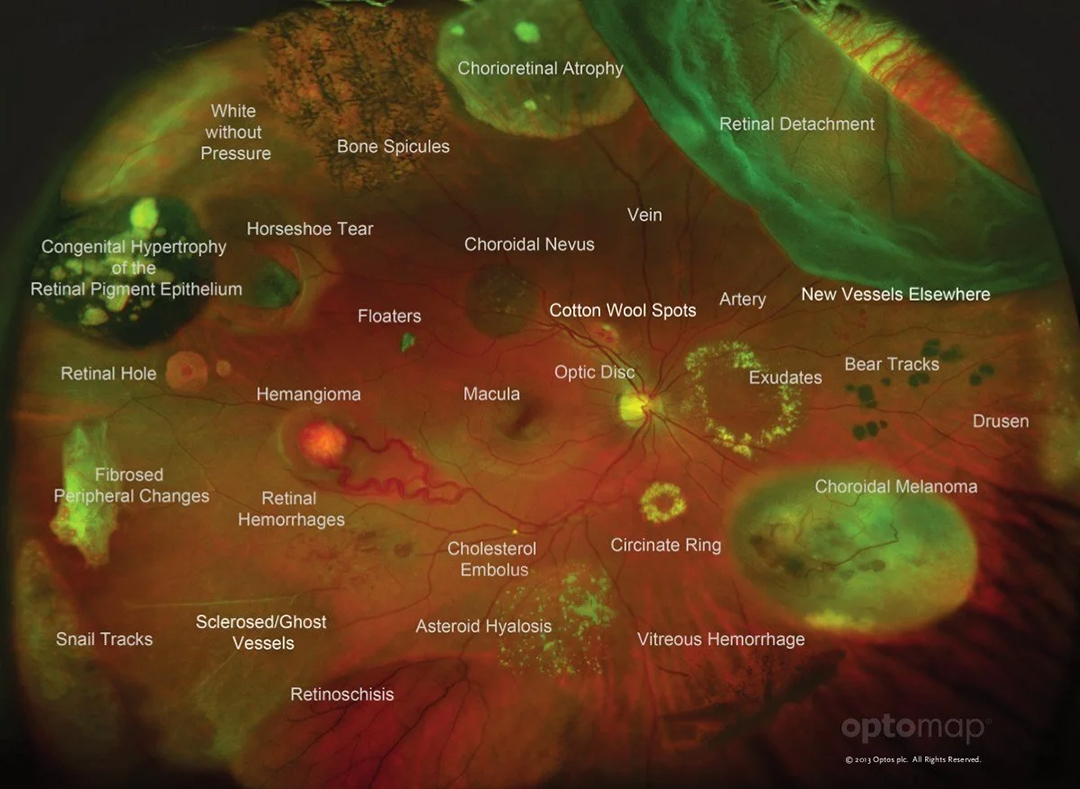
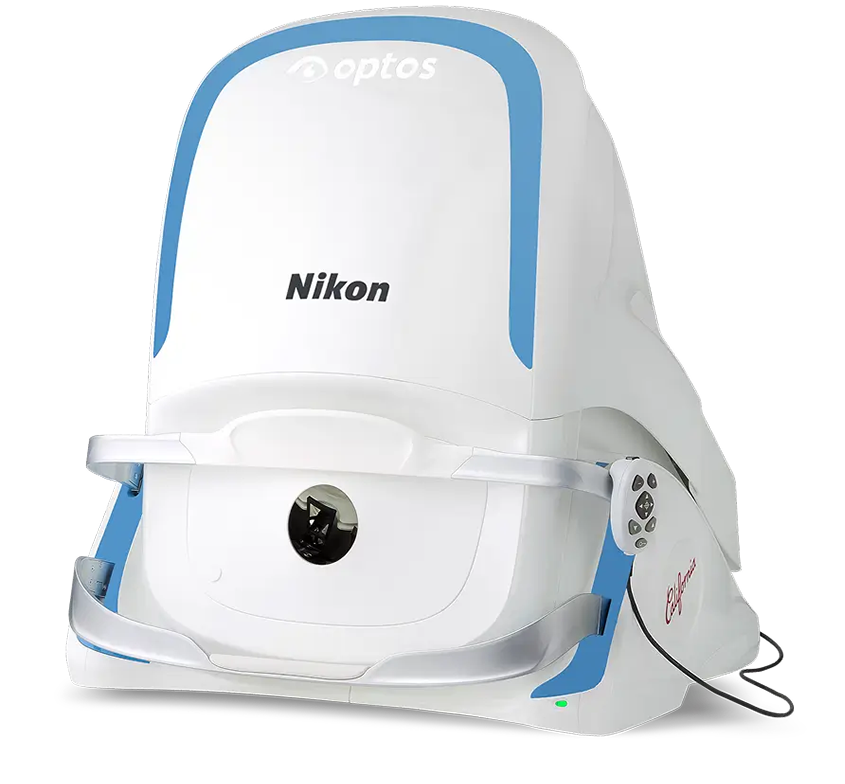
The Optomap captures a high-definition, 200-degree panoramic view of the retina (the back of the eye) in less than half a second. This advanced imaging catches early signs of vision-threatening conditions (like retinal tears, glaucoma, and macular degeneration) and systemic diseases (like diabetes and high blood pressure) before symptoms appear. It creates a permanent digital map of your eye, allowing your doctor to compare past and present images to track even tiny changes over time. Optomap retinal imaging is an important part of your annual eye exam.


Quick Links
- Doctors and Staff
- Schedule Appointment
- Our Services
- Contact Us
- Eyeglasses
- Dry Eye Products
- Contact Lenses

Hardin Valley
Hours of Operation
- Monday 8:00am – 5:00pm
- Tuesday 8:00am – 5:00pm
- Wednesday 9:00am – 5:00pm
- Thursday 8:00am – 5:00pm
- Friday 8:00am – 4:00pm
- Saturday Closed
- Sunday Closed
© 2026 EyeXcel . All rights Reserved. Accessibility Statement - Privacy Policy - Sitemap
Powered by:

